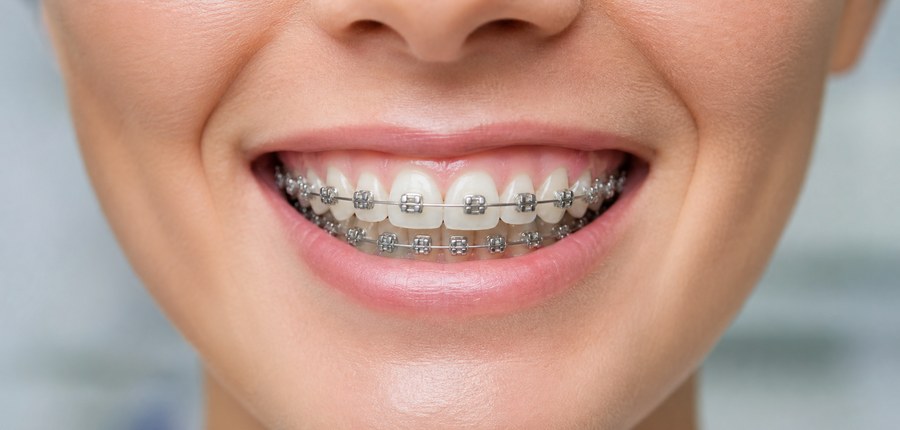
OPTION 01
Metal Braces
The classic, well-established fixed option — strong and suitable for a wide range of treatment plans.
Visibility
Cleaning care
Braces and clear aligners both guide teeth gently into place. Scroll through this page to watch how each one works, what daily life feels like, how long it takes and what happens afterwards.


Drag the slider to watch crooked teeth glide into a straight line. Braces and aligners do this with light, controlled pressure — slowly, over many weeks.
Your orthodontist studies your teeth, bite and smile goals before choosing a treatment.
Braces or aligners apply gentle, planned forces so each tooth shifts a little at a time.
A retainer holds your new smile in place once active treatment is complete.
Brackets are bonded to your teeth and joined by an archwire. They stay in place and your orthodontist adjusts them at reviews.
See how braces work →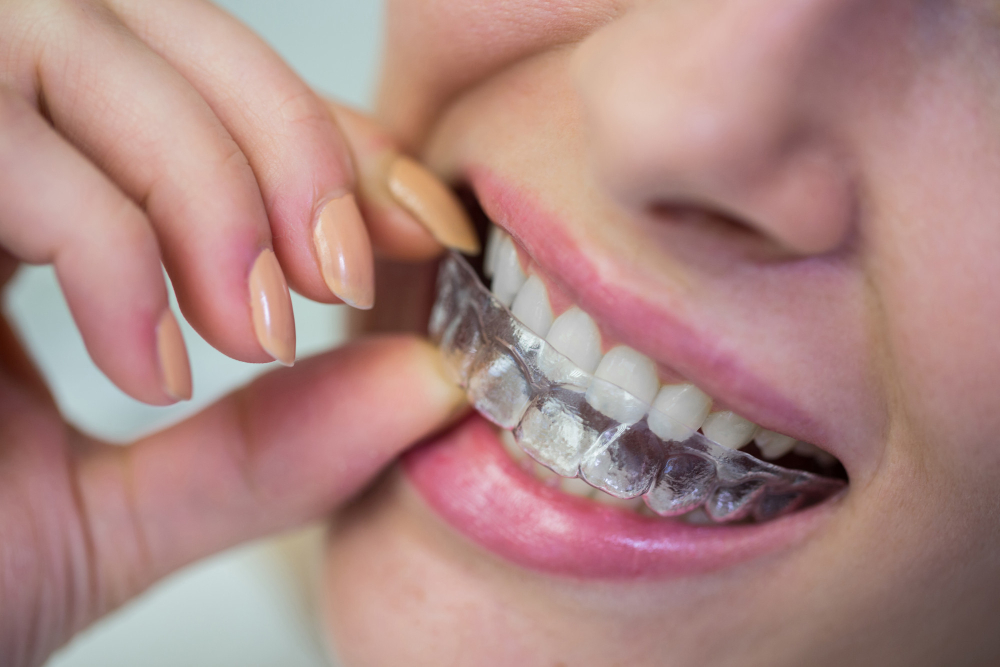
A series of custom, see-through trays. Each one is shaped for the next small step of your planned tooth movement.
See how aligners work →
Braces are a fixed appliance. Small brackets are attached to your teeth and a thin archwire runs through them. As the wire is adjusted at your review visits, it steadily guides each tooth toward the position your orthodontist planned.
Each bracket is bonded to the front of a tooth. It has a small slot that holds the archwire and acts as the anchor point for movement.
The archwire runs through every bracket. It is shaped to the arch your teeth are heading toward and is changed or adjusted as treatment progresses.
Small elastic ties (or a built-in clip on some systems) hold the wire in each bracket slot so the force stays steady between visits.
The right appliance depends on your teeth, bite and goals. Your orthodontist will recommend what is clinically suitable.
The classic, well-established fixed option — strong and suitable for a wide range of treatment plans.
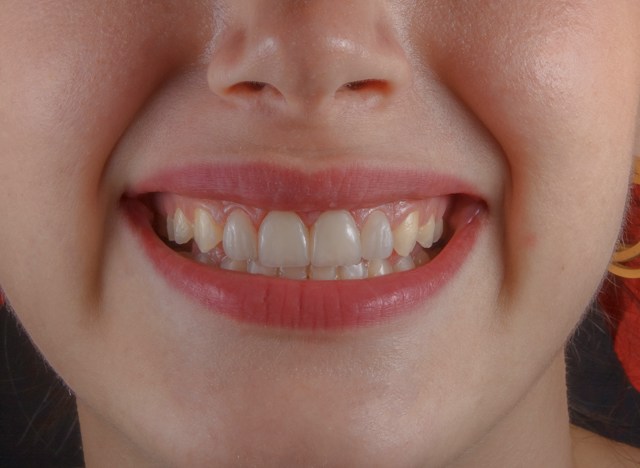
Tooth-coloured brackets blend in with your teeth for a more subtle look, using the same fixed-brace principle.
Brackets with a built-in clip hold the wire without elastic ties. Ask your orthodontist whether this suits your case.
Bars are a general guide only — results vary between patients and cases.
Six clear stages from your first visit to your retainer. Scroll to watch the line fill as you go.
Your teeth, bite and smile goals are examined and your questions answered.
Records and scans help build your individual treatment plan.
Brackets are bonded to the teeth and the archwire is placed.
The appliance applies planned forces to guide each tooth.
Your orthodontist monitors progress and adjusts the wire or ties when needed.
Once braces come off, a retainer helps maintain your new alignment.
A little preparation makes the adjustment period easy to understand.
Teeth may feel pressure or tenderness while they adapt. Lips and cheeks may need a few days to settle.
Typical tenderness (illustrative)Cleaning around brackets starts to feel natural. Soft foods and clinic advice help you through.
Typical tenderness (illustrative)Regular reviews keep treatment on track. Daily habits matter most here.
Typical tenderness (illustrative)You may feel pressure again for a day or two after a wire change. It usually settles quickly.
Typical tenderness (illustrative)
Clear aligners are removable, see-through trays made for a planned sequence of tooth movement. Each tray is shaped slightly ahead of where your teeth are now, so when you wear it as prescribed it gently nudges them toward the next planned position.
Press play (or pick a tray). The clear shell sits just ahead of your teeth and pushes them into the next position — then you move on to the next tray.
 1
1Your teeth and bite are examined and the records needed for planning are collected.
2The orthodontist plans the sequence of movements and the number of trays your case needs.
3Wear each tray as prescribed and move to the next stage only when instructed.
 4
4Progress is checked, refinements are planned if needed, and retainers keep the result.
Because trays are removable, the responsibility is yours: they only work when they're in. Aligners are usually worn for most of the day — your orthodontist will confirm the exact schedule for you.
A simple lifestyle comparison. The clinically suitable option depends on your individual assessment.
Planning looks at both tooth alignment and the way your upper and lower teeth meet.
Teeth can shift after treatment. Retainers help maintain the result, following your orthodontist's plan.
Regular visits let your orthodontist track progress and respond to changes early.
These answers cover the basics. Your own plan will always depend on your orthodontic assessment.
You may feel pressure or temporary tenderness after fitting or adjustments. Your team can explain what to expect and how to manage it.
It varies with your starting tooth position, bite, the planned movements and how consistently you follow the plan. Your orthodontist will give you a personal estimate.
You will receive food and care guidance. Some hard or sticky foods may need to be avoided to protect the appliance.
Yes — they are removable for eating and cleaning, but they only work when worn for the time your orthodontist prescribes.
Active treatment is followed by retention. Your orthodontist will explain which retainer and wearing schedule suits you.
Bring your questions to an ORVI orthodontic consultation.